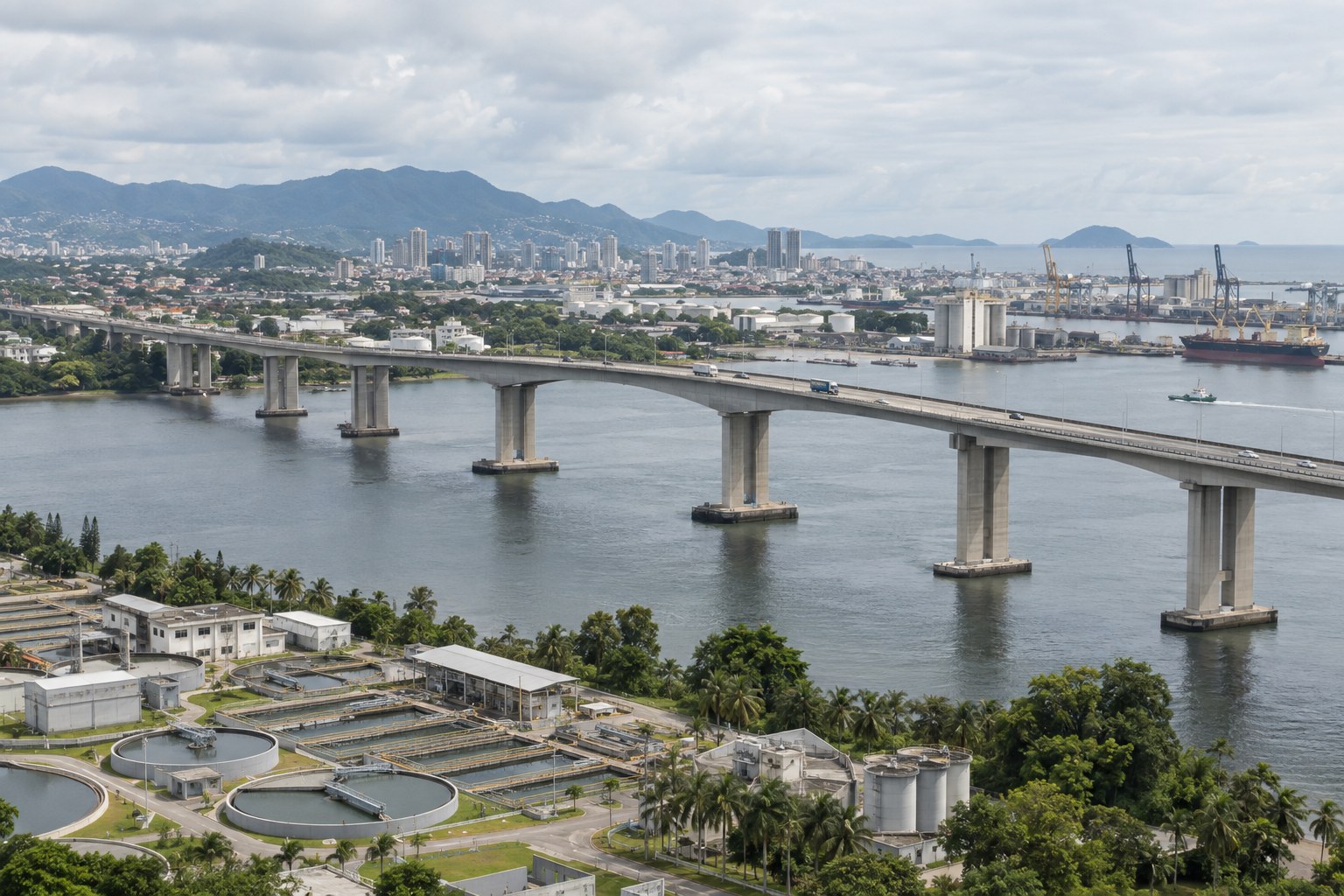
Public infrastructure programme
Construction capital secured against sovereign tax revenues, with layered risk insurance.
Construction capital secured against sovereign tax revenues, with layered risk insurance.
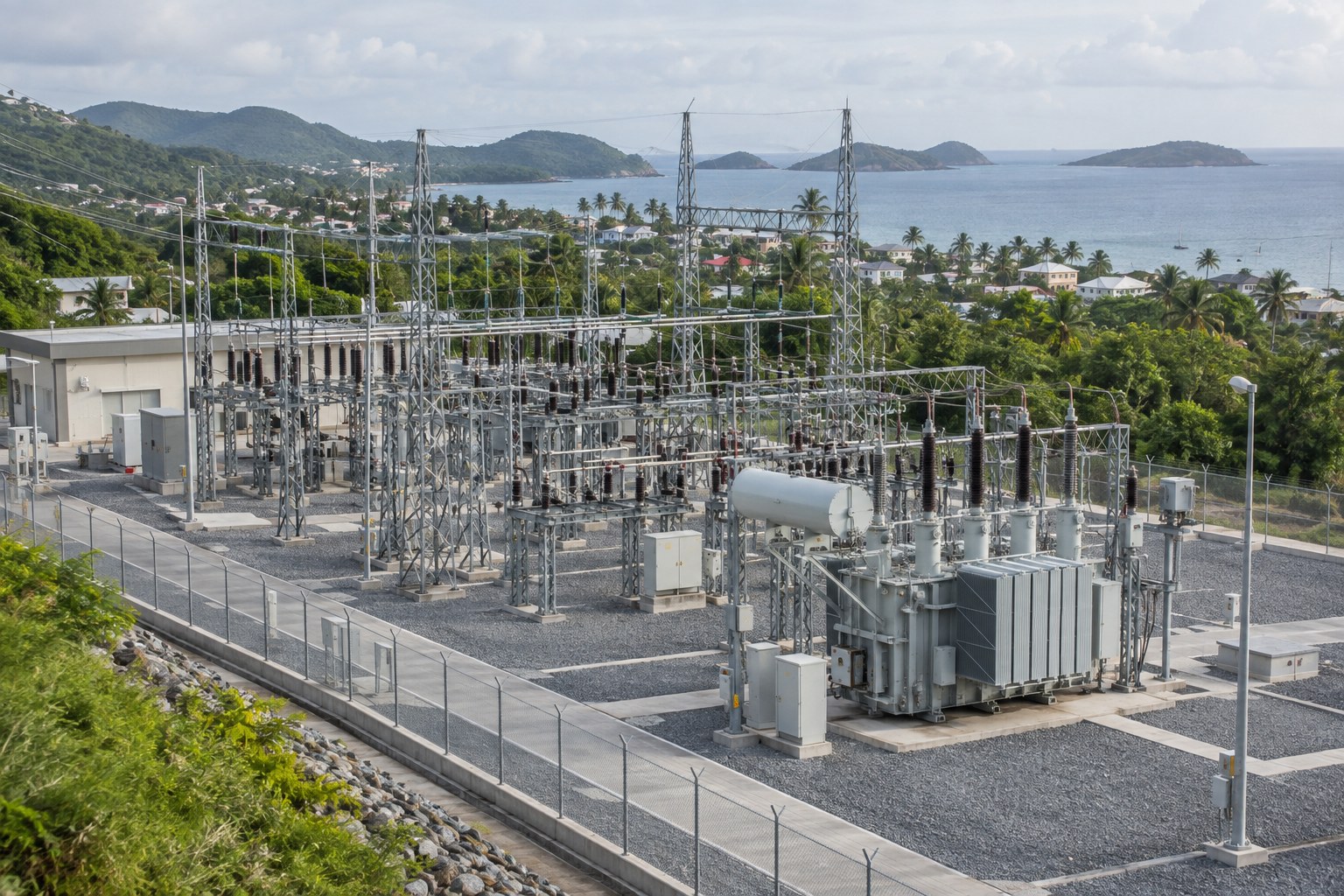
Restoration and expansion financed together as one national network programme.
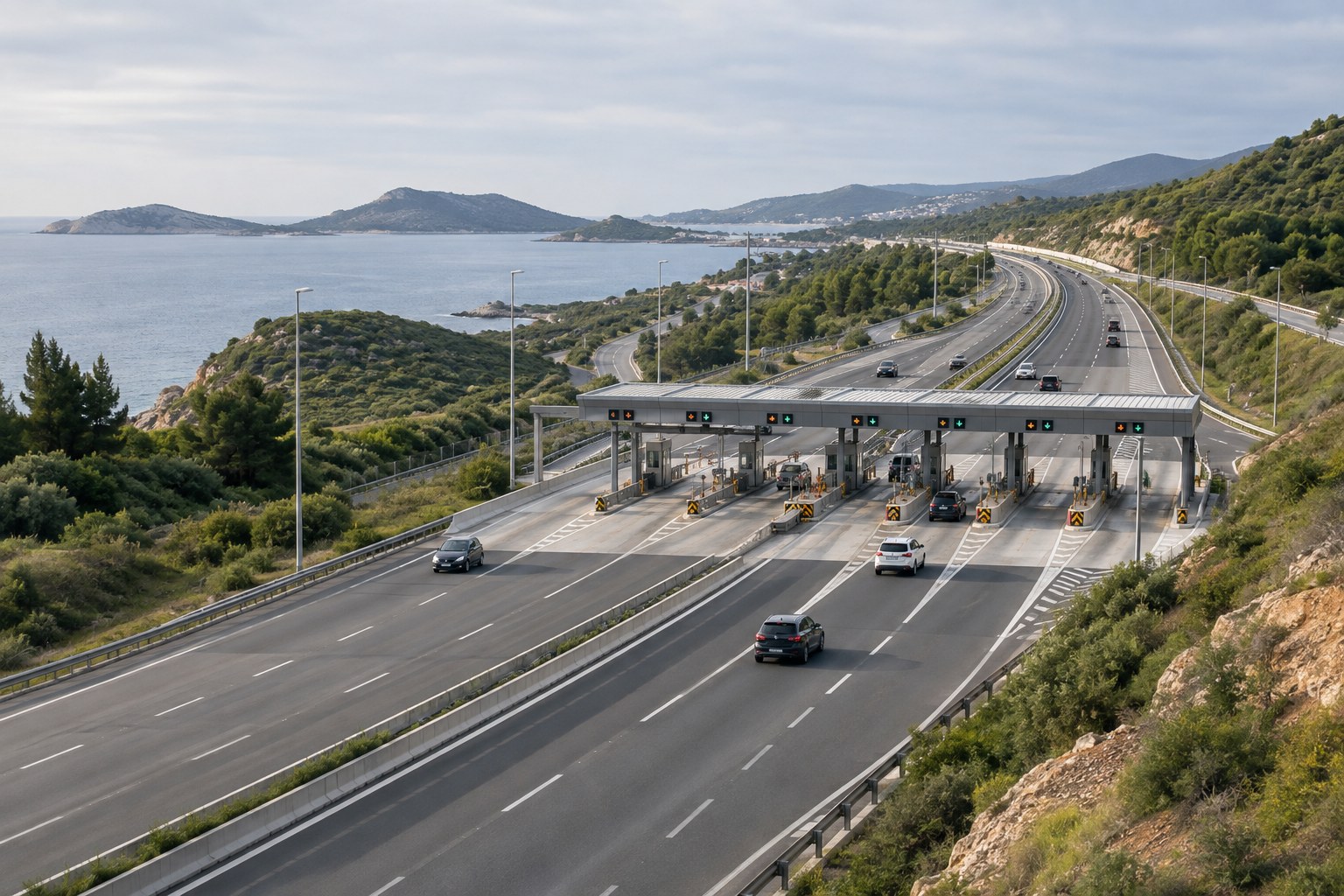
Toll revenue supported by a secondary sovereign guarantee, before an operating traffic record existed.
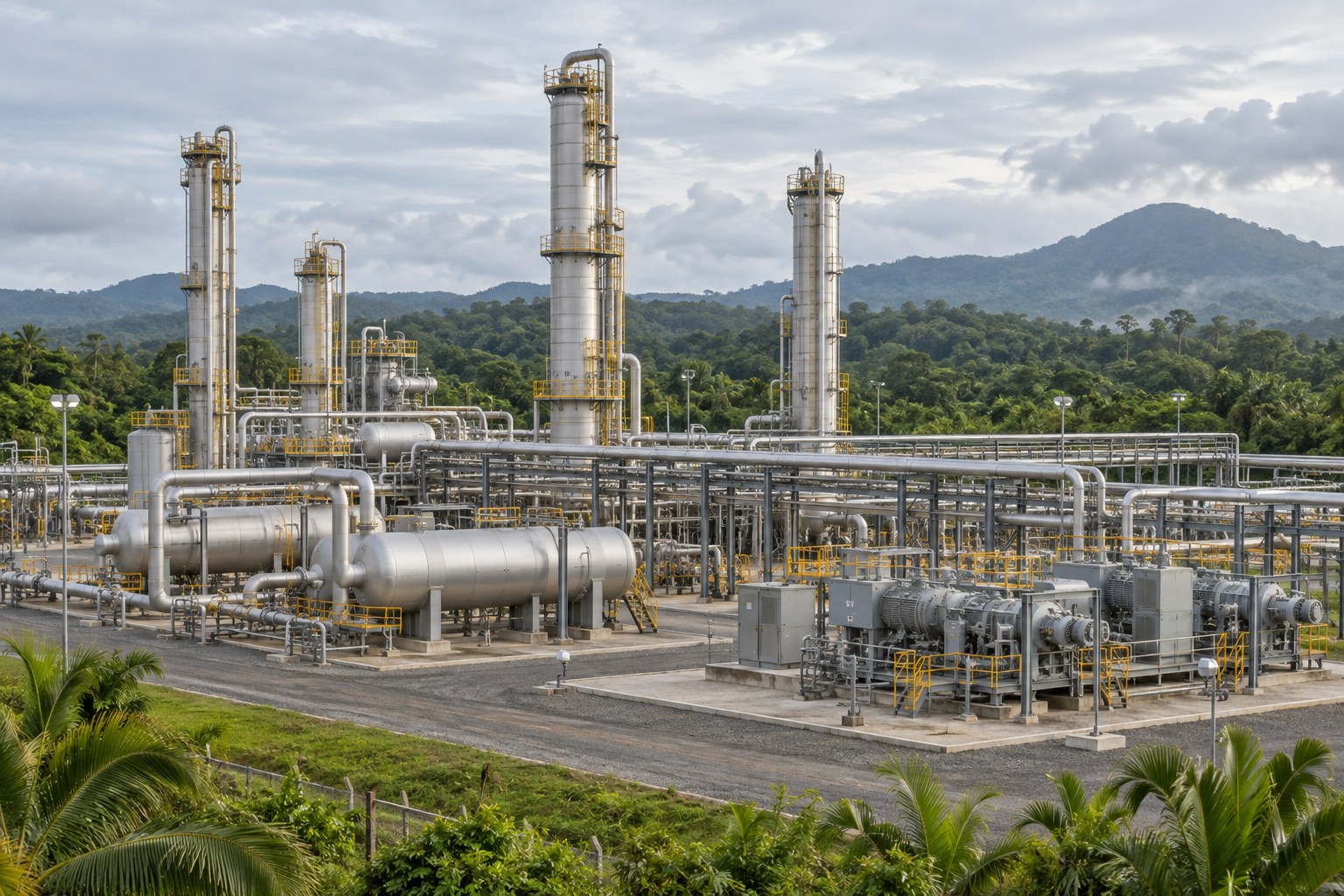
Processing capacity financed around aligned feedstock, conversion and offtake contracts.
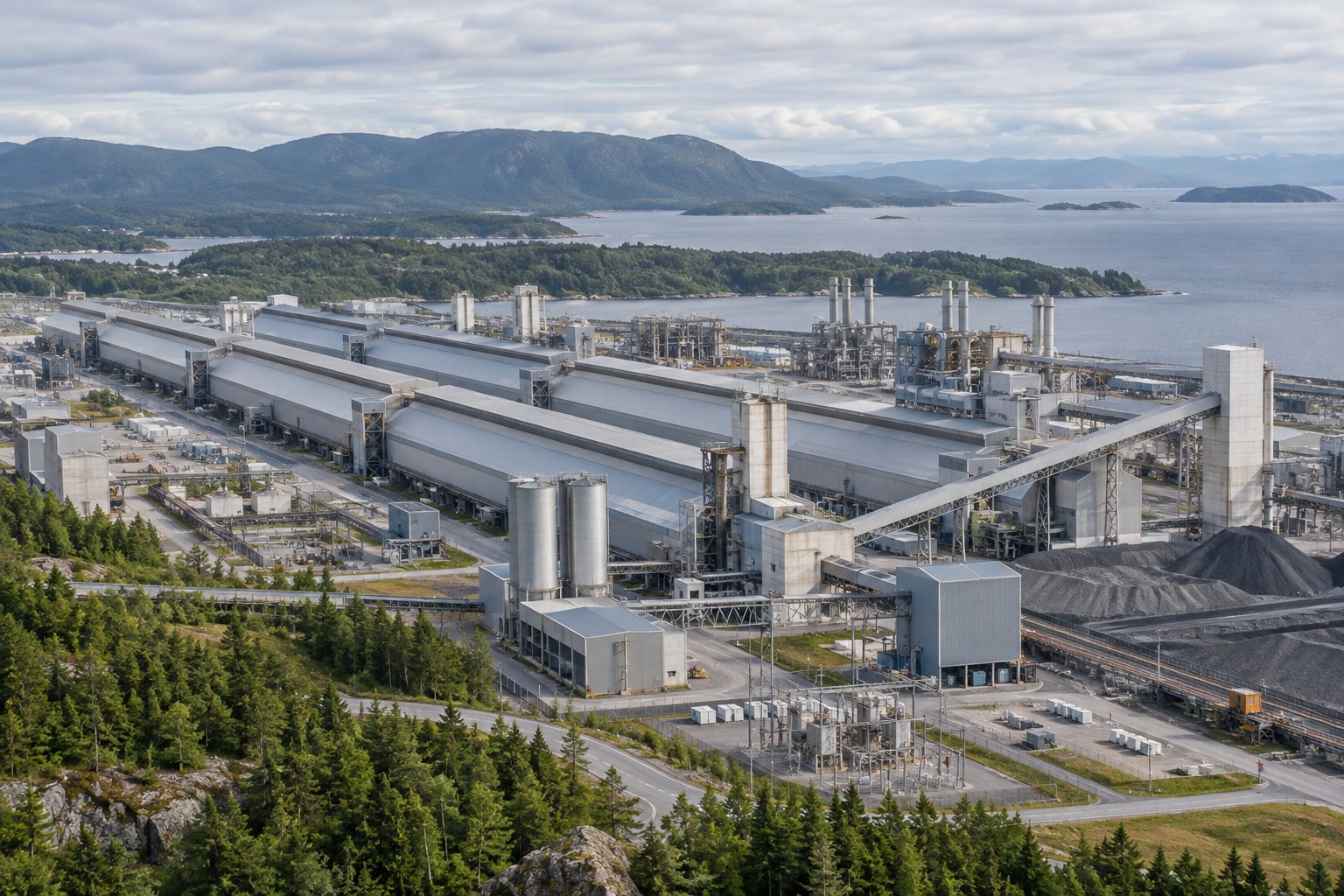
Longer-term financing for imported industrial plant, supported by export credit cover.
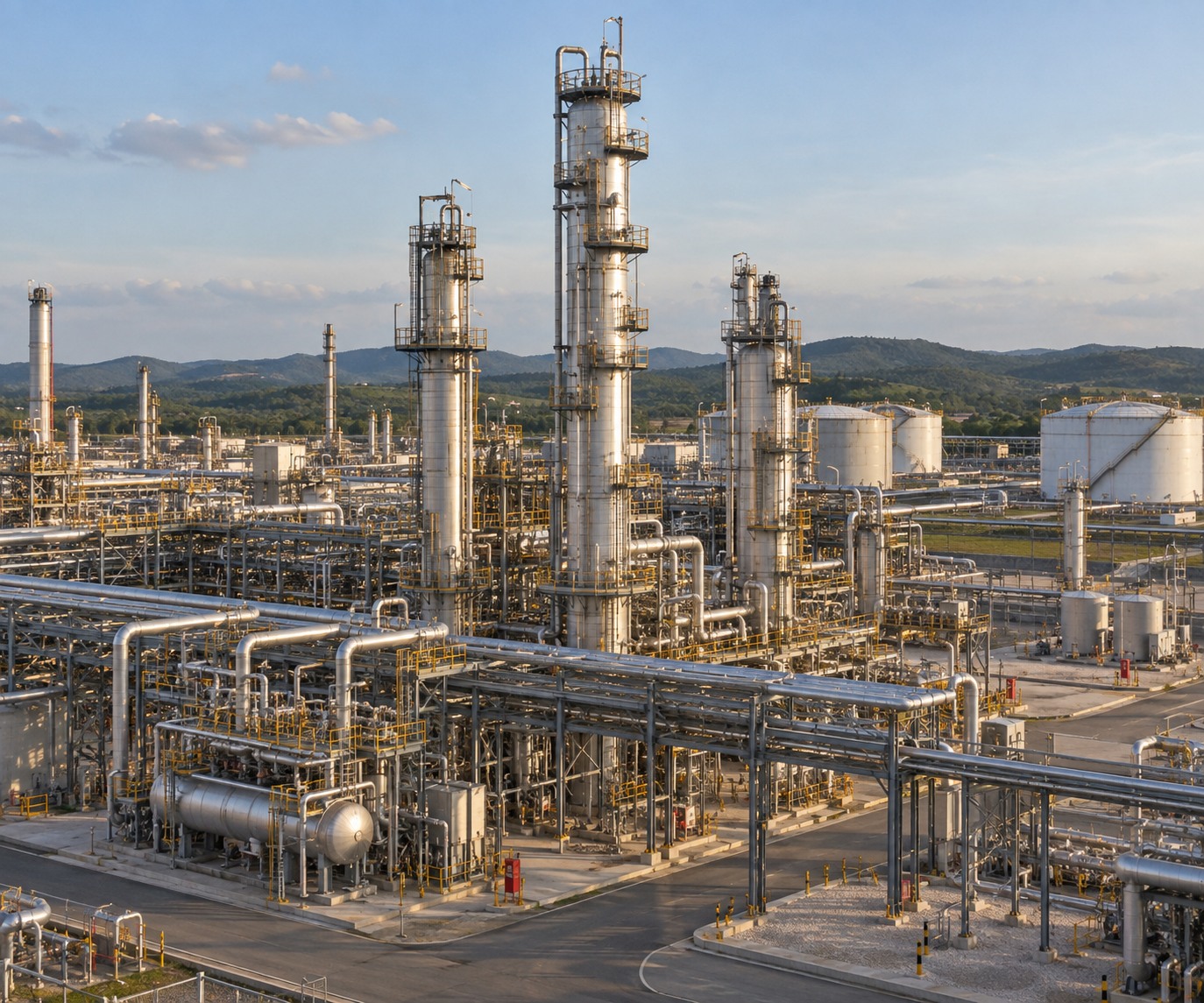
Large-scale capital raising through international issuance and production-backed structures.

Network rollout capital assembled before the newly licensed operator had an operating asset.
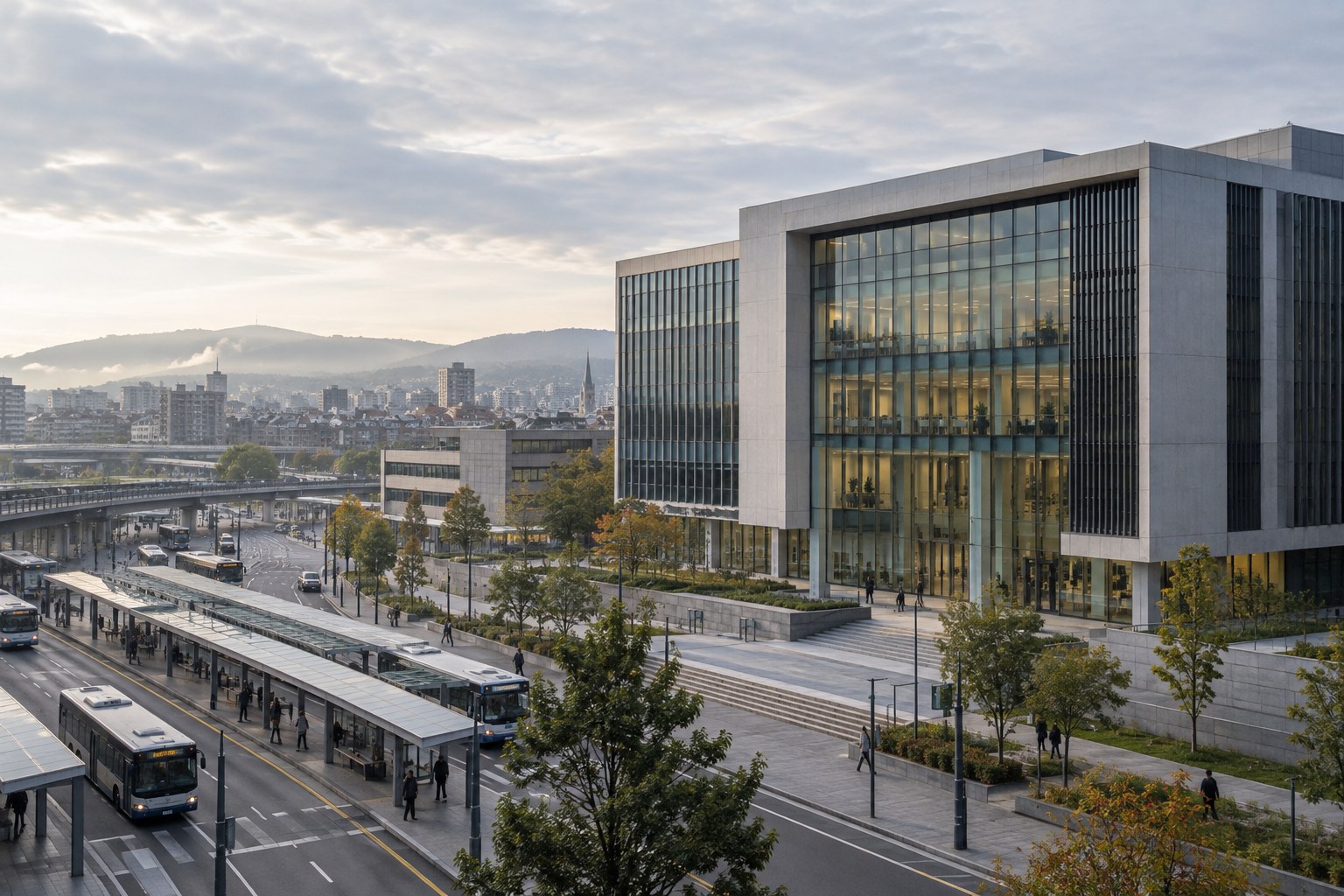
A public entity restructured into a business that investors and lenders could assess.
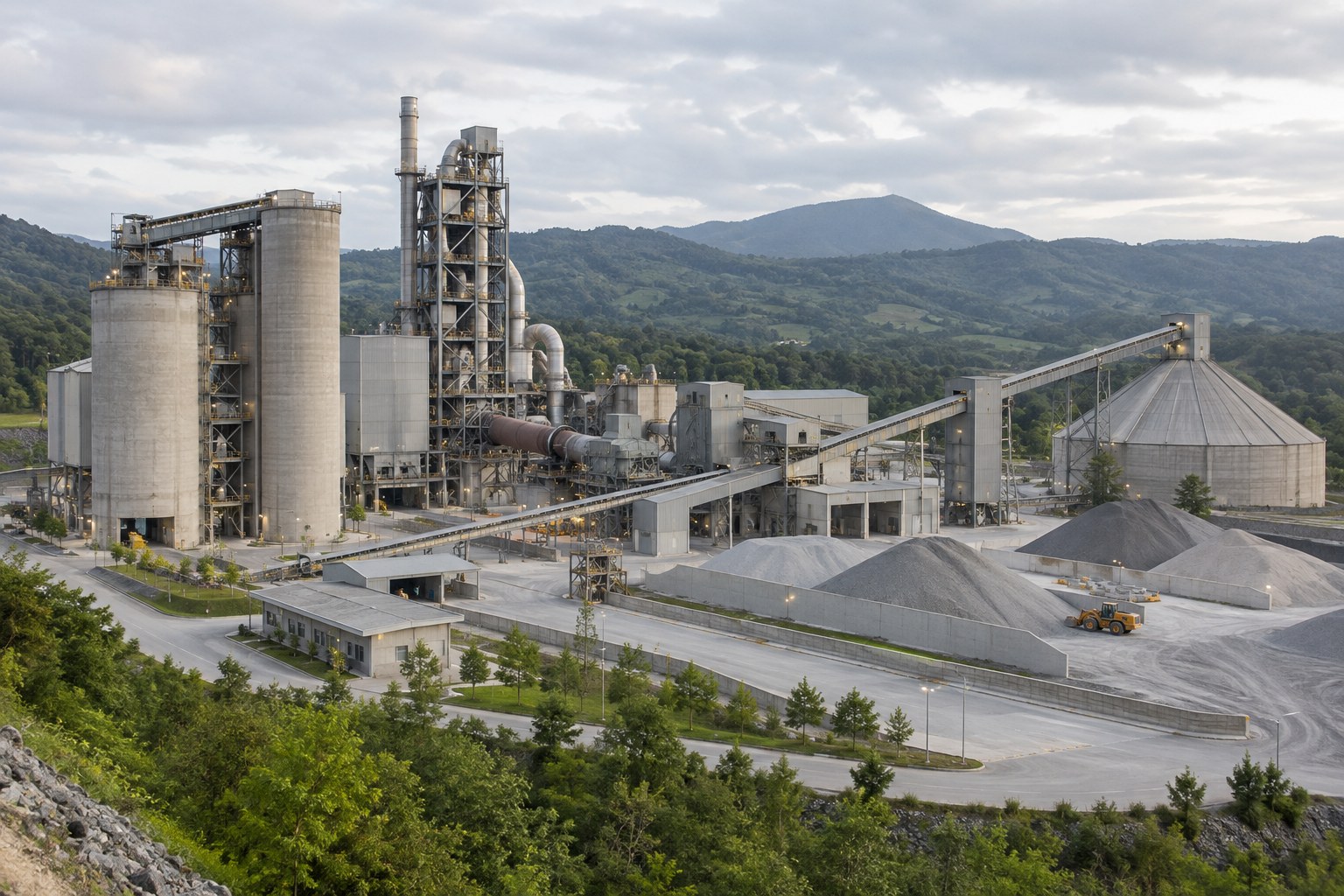
International equity capital for a building-materials issuer whose balance sheet could not carry more debt.
West and Central Africa
US$500 million
Construction capital secured against sovereign tax revenues, with layered risk insurance.
A public infrastructure programme required construction capital in a market where commercial lenders would not carry construction and early usage risk for the required term.
US$500 million of structured credit was secured against sovereign tax revenues, with multiple layers of public-market risk insurance. Regional banks provided the take-out at completion, after construction risk had changed into operating risk.
The financing separated the construction phase from the operating phase. Insurance supported the interval before completion, allowing regional banks to take on an operating asset they could underwrite.
Spanish-speaking Caribbean
US$325 million
Restoration and expansion financed together as one national network programme.
A national distribution network needed both restoration and expansion. The utility's collections history could not support a conventional facility of the required size.
US$325 million was raised against the network as a system. Restoration and expansion were financed under one programme, bringing the improving existing asset and the growing network into the same financing.
The restored network made the expansion serviceable. Financing the two together created a stronger case than treating either as an isolated investment.
Caribbean
US$275 million
Toll revenue supported by a secondary sovereign guarantee, before an operating traffic record existed.
A government road concession needed financing before traffic could demonstrate its revenue potential, in a market without comparable operating history.
US$275 million was financed against the concession's toll revenues, with a secondary sovereign guarantee supporting those revenues. The tolls carried the ordinary repayment case; the guarantee addressed the shortfall case.
Combining project revenues with secondary support gave lenders a way to assess early traffic risk while preserving the concession-based financing structure.
Caribbean
Limited-recourse finance
Processing capacity financed around aligned feedstock, conversion and offtake contracts.
Processing and industrial capacity exceeded the sponsor's balance sheet. Feedstock supply, conversion and offtake sat with different counterparties on different timetables.
Limited-recourse project finance was secured against the asset and its contracts. Feedstock, conversion and offtake obligations were aligned to a common timetable so that a gap in one part could not interrupt the financing.
Aligning the contracts gave lenders a coherent production and repayment chain. The essential work was coordinating the commercial obligations that supported the facility.
Spanish-speaking Caribbean
Export credit agency cover
Longer-term financing for imported industrial plant, supported by export credit cover.
Imported heavy industrial plant required a repayment term longer than commercial lenders would offer in the jurisdiction.
Buyer and supplier credit were supported by the export credit agency of the equipment-supplying country. Political and commercial risks were allocated to the institution equipped to cover them.
Matching equipment origin with the appropriate export credit institution extended the available term and improved pricing, bringing the financing closer to the asset's repayment profile.
South America
International capital markets
Large-scale capital raising through international issuance and production-backed structures.
Production and downstream capacity required financing beyond the scale a bank group would hold. The issuer's country ceiling also constrained the pricing available to it.
International markets issuance raised capital for the producer, supported where needed by offtake-backed structures repaid from contracted physical production as it shipped.
The international markets addressed the size requirement. Where appropriate, contracted production flows supported a financing assessment beyond the country constraint.
Emerging markets · Multiple regions
Vendor & export credit support
Network rollout capital assembled before the newly licensed operator had an operating asset.
A newly licensed operator was required to build a national network but had no operating asset to borrow against. Subscriber revenues would only follow construction.
Rollout capital was raised against the licence obligation and expected subscriber revenues. Equipment vendors and export credit support carried the early phase before the network generated revenue.
Bringing suppliers into the capital structure aligned their equipment knowledge and interest in delivery with the risks of building the network.
Emerging markets · Multiple regions
Restructuring & market divestment
A public entity restructured into a business that investors and lenders could assess.
A state-owned entity could not be financed, sold or listed in its existing form. Its business perimeter, state-related liabilities and regulatory framework needed to be resolved first.
The entity was restructured, with the business perimeter defined, liabilities separated and an opening balance sheet established. It was then brought to the public markets under a government divestment programme, reducing the state's holding into institutional demand.
The restructuring made the underlying business possible to value and finance. Establishing a clear entity and financial framework was the prerequisite for market access.
Latin America
Equity & equity-linked capital
International equity capital for a building-materials issuer whose balance sheet could not carry more debt.
For an industrial issuer in building materials, the constraint was its capital structure rather than an individual asset. Further borrowing was not a viable answer.
Equity and equity-linked issuance was placed in the international markets, including follow-on and secondary issuance and convertible securities for institutional investors.
Raising equity addressed the owner's leverage instead of adding debt to the asset. The financing matched the form of capital to the actual balance-sheet constraint.
Let’s discuss the investment, technical and operating requirements.